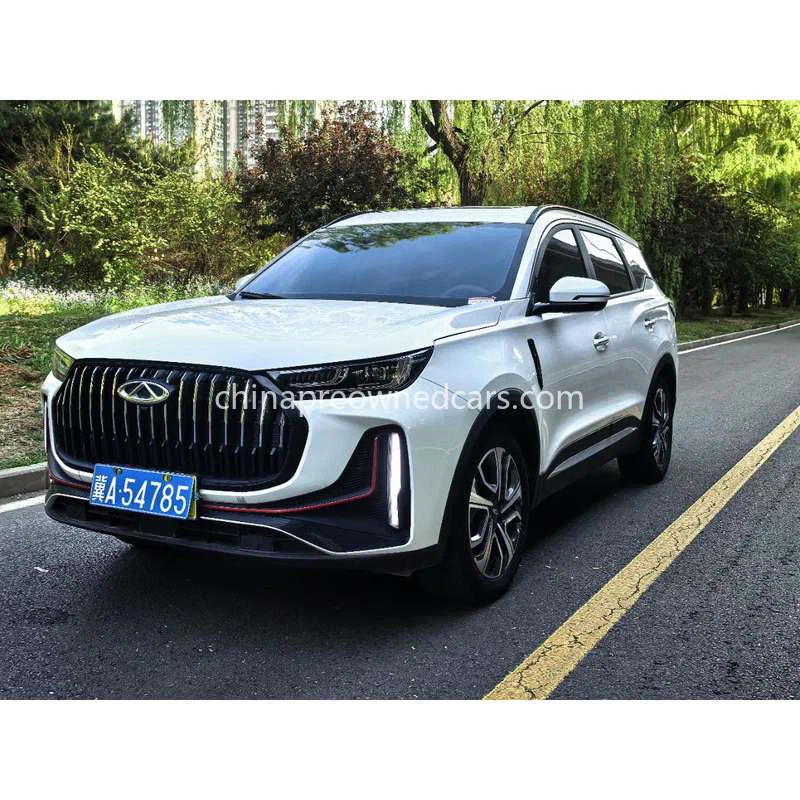
Exporting electric and hybrid vehicles from China involves careful consideration of various technical and regulatory factors. Buyers need to assess the battery state-of-health, understand different charging connector standards, and be aware of the regulations surrounding battery transport. This knowledge is crucial for ensuring that imported vehicles meet the requirements of their destination markets in Africa, the Middle East, and South America.
Battery state-of-health assessments are vital for electric vehicles. These assessments indicate how much charge a battery can hold compared to its original capacity. Buyers should seek detailed reports on battery health to avoid costly issues down the line. As battery degradation affects resale value, understanding the condition of the battery can help buyers make informed decisions. It is essential to verify this information through reliable channels before finalizing any purchases.
Charging standards also vary significantly by market. In Africa, for example, the GB/T standard is commonly used in Chinese electric vehicles, while CCS and CHAdeMO are also recognized in certain regions. Buyers should confirm which standards are acceptable in their target markets to ensure compatibility with local charging infrastructure. This can prevent potential difficulties in charging the vehicles once they arrive at their destination.
Furthermore, battery transport regulations must be observed when exporting electric vehicles. The UN 3480 regulation categorizes lithium-ion batteries as dangerous goods, necessitating compliance with strict transport guidelines. Exporters must ensure proper packaging and documentation to avoid delays or penalties during shipping. Buyers should inquire about the specific logistics involved in transporting these vehicles to understand the potential implications for their timelines.

In terms of market-specific requirements, buyers should be aware that many destination countries have regulations regarding vehicle age and emission standards. For instance, while most of the inventory is left-hand drive, there may be markets requiring right-hand drive vehicles. It is advisable to verify local import regulations to ensure compliance, as these can vary widely from one country to another. Buyers should also check for any applicable duties or fees associated with importing electric or hybrid vehicles.
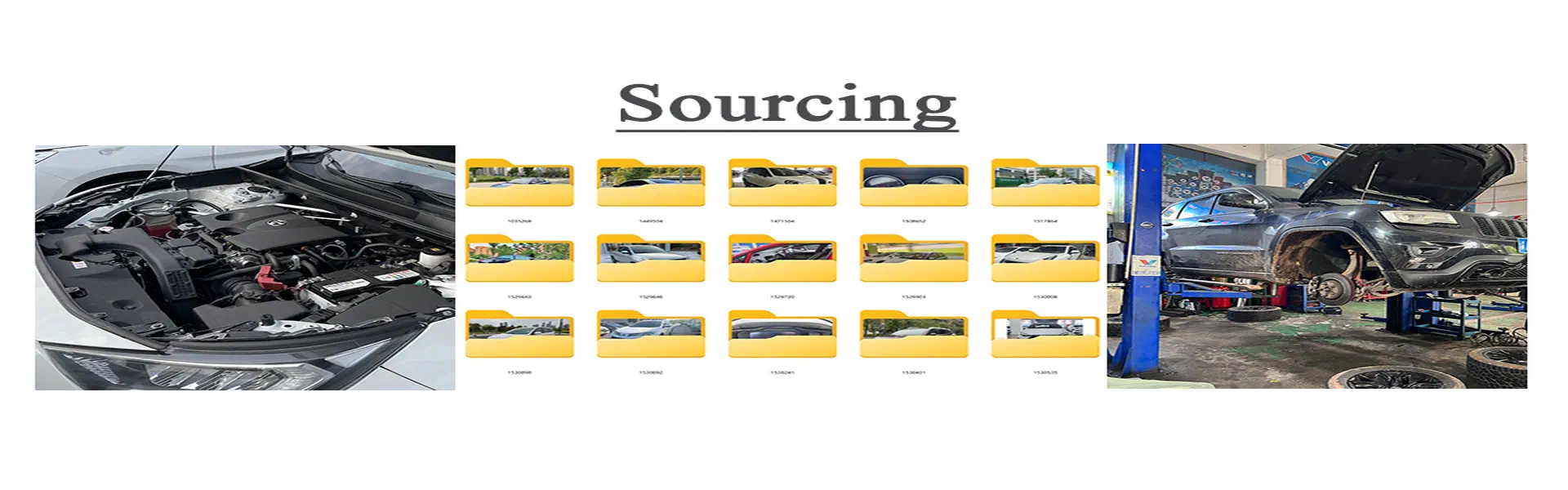
Practical guidance for sourcing electric vehicles includes checking vehicle history, mileage, and condition grading before purchase. Buyers should conduct thorough inspections and consider obtaining a pre-purchase inspection to ascertain the true condition of the vehicle. Payment terms can vary, and understanding these will aid in managing cash flow effectively. Shipping lead times can also differ based on the export method chosen, whether RoRo or container shipping, so it is prudent to clarify these details with the exporter.
FAQ
Q: What should I check before purchasing an electric vehicle for export?
A: Verify the vehicle’s battery state-of-health, mileage, service history, and any existing inspections or certifications.
Q: What are the shipping options for exporting electric vehicles?
A: Vehicles can be shipped via RoRo (Roll-on/Roll-off) or loaded into containers, depending on the buyer’s preferences and logistics considerations.