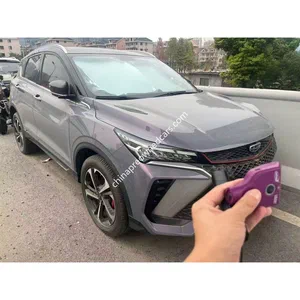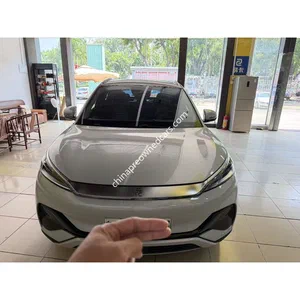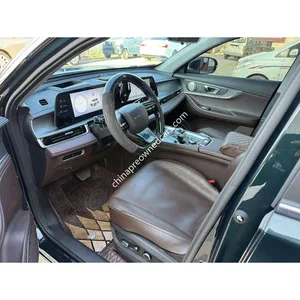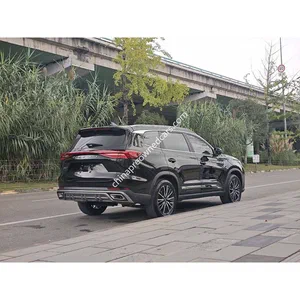
Electric and hybrid vehicles are gaining traction in various global markets, including Africa, the Middle East, and South America. As a used vehicle exporter, it is essential to understand the critical factors affecting the purchase and export of these vehicles. This article focuses on the key considerations for sourcing electric vehicles (EVs) and hybrids from used car for sale dealerships in China, specifically regarding battery health, export regulations, and practical buyer guidance.
Battery State-of-Health and Specifications
Battery condition is a primary concern when sourcing electric vehicles. Buyers should prioritize assessing the state-of-health of the battery, which directly impacts the vehicle’s range and resale value. Common standards for battery connectors include GB/T, CCS, and CHAdeMO. Different destination markets accept varying standards; for instance, markets in Africa and the Middle East may primarily use GB/T connectors. Buyers should verify compatibility with local charging infrastructure prior to purchase. Additionally, it is advisable to check detailed specifications on battery life and degradation, as these factors significantly influence the vehicle’s performance and longevity.
Export Procedures and Documentation
China’s regulations mandate that used vehicles undergo pre-shipment inspections and customs declaration processes before export. Buyers should be familiar with these procedures, as they require compliance with international standards, including UN 3480 regulations for dangerous goods transport, particularly related to lithium-ion batteries. Exporting vehicles typically involves two shipping methods: Roll-on/Roll-off (RoRo) and container shipping. RoRo is often more cost-effective, while container shipping provides added vehicle protection. Ensuring that all necessary export documentation is in order is crucial, including the export license, customs clearance paperwork, and any other relevant certifications.
Market-Specific Requirements
Export markets like Ghana, Nigeria, Kenya, Uganda, and Tanzania have their own regulations regarding vehicle imports, including emission standards, age limits, and left-hand drive requirements. Most vehicles sourced from China are left-hand drive, which suits many African countries but may not be appropriate for others. It is essential to confirm the current regulations for each target market, as these can change frequently. Buyers should also consider local preferences for electric vehicles, including the availability of charging stations and government incentives for EV adoption, which may vary by country.
Practical Buyer Guidance
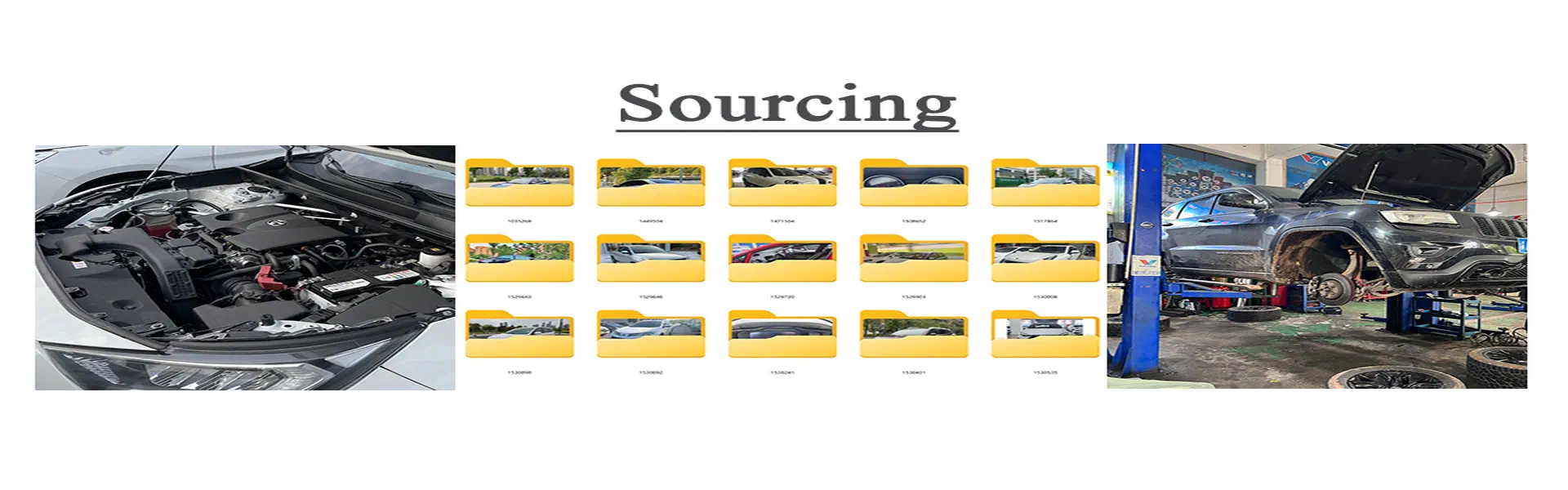
When sourcing vehicles, buyers should verify the vehicle’s history, mileage, and overall condition. Engaging in a thorough quality assessment is vital to avoid potential issues post-purchase. Buyers should also inquire about payment terms, which can vary between dealerships and auctions. It is advisable to keep shipping lead times in mind, as these can differ based on the method of transportation and the specific destinations. After-sales support is another critical aspect to consider; reliable communication with the exporter can facilitate smoother transactions and address any post-purchase concerns.

FAQ
Q: What should I check regarding battery health before purchasing an electric vehicle? A: Assess the state-of-health of the battery and inquire about specific degradation metrics to understand the vehicle’s performance potential.
Q: What are the common shipping methods for exporting vehicles from China? A: The two main shipping methods are Roll-on/Roll-off (RoRo) and container shipping, each with its advantages in terms of cost and vehicle protection.