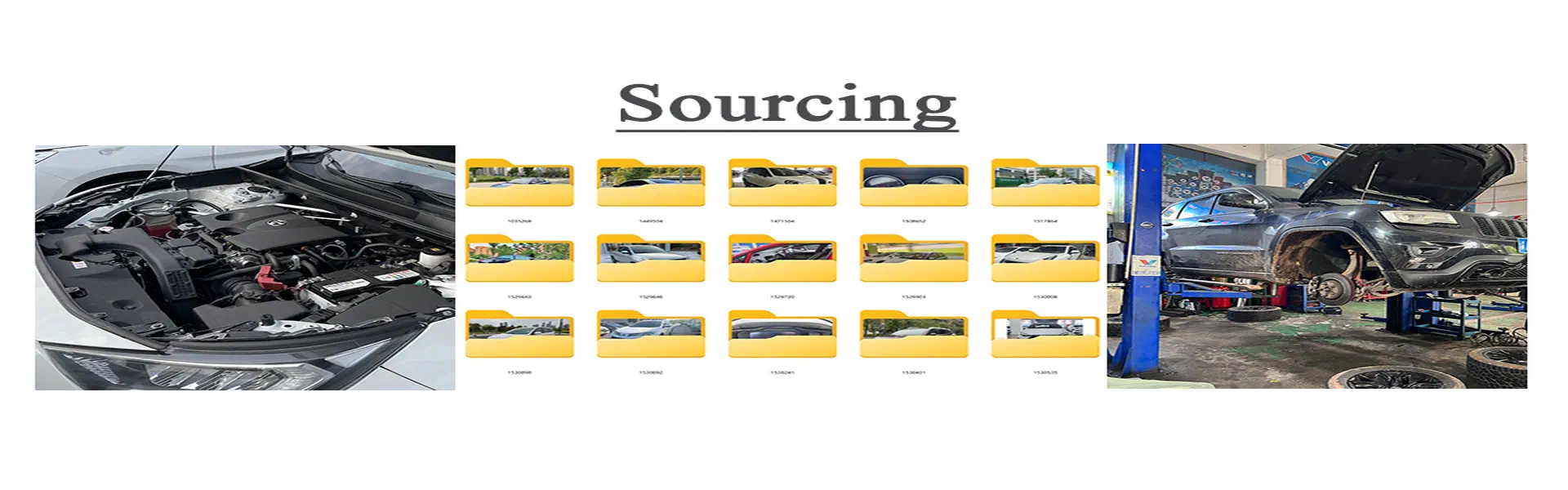

Sourcing a used vehicle from China involves more than selecting a model and agreeing on a purchase price. Buyers need to verify the vehicle’s history, arrange an independent inspection, complete export documentation and choose a shipping method before the vehicle can leave the port. Each stage affects the final cost, delivery schedule and condition of the vehicle on arrival.
Selecting and verifying a vehicle before purchase
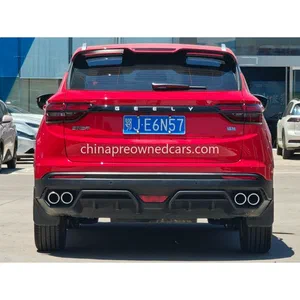
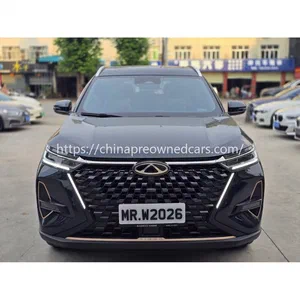
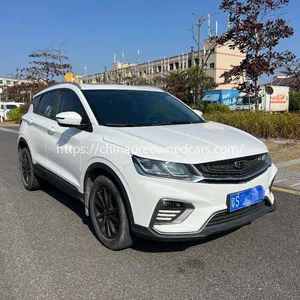
The sourcing process begins with identifying a vehicle that meets the destination market’s requirements. China’s domestic market offers several Chinese-brand SUVs, including the BYD Atto 3, Chery Tiggo 7 Plus, Chery Tiggo 8 Pro, Geely Coolray and Haval H6. Buyers should compare specifications against local demand, including engine or powertrain type, fuel consumption, ground clearance, transmission and available replacement parts. For electric vehicles, charging compatibility and battery service availability also deserve attention.
Vehicle history should be checked before a deposit is paid. Request the VIN, registration information where available, service records, previous ownership details and evidence of accident repairs. Mileage should be compared with maintenance records, interior wear and available electronic data. A low odometer reading alone does not establish good condition. Buyers sourcing through dealers should establish who owns the vehicle and whether the seller can provide the documents needed for export. Auction purchases require additional attention to grading notes, photographs and any disclosed damage. Auction grades are useful screening information, not a substitute for an independent inspection.
Inspection, payment and export preparation

Once a suitable vehicle has been identified, pre-shipment inspection is the next important control point. The inspection should cover the body panels, paint condition, chassis, suspension, tyres, braking system, steering, lights, windows and interior equipment. The engine, transmission and electronic systems should also be tested where applicable. Buyers should request photographs and a written report recording existing damage, missing equipment and mechanical findings. For the BYD Atto 3 and other used EVs, battery state of health, diagnostic warnings, charging performance and battery condition require particular attention. Battery transport classification and shipping arrangements must also be confirmed separately.
China’s used vehicle export process requires the appropriate export licensing, customs declaration and pre-shipment inspection. The exact inspection documentation and any additional certificates depend on the vehicle and applicable export and destination requirements. Buyers should confirm these details before completing payment. Payment terms should identify the deposit, balance payment milestone, inspection arrangements and responsibility for port-related charges. A sensible arrangement links the final payment to agreed verification documents and inspection results. The contract should also specify the vehicle’s VIN, agreed condition description, included accessories and what happens if inspection reveals a material discrepancy.
Export documentation must be prepared before customs clearance. The commercial invoice records the transaction value and seller and buyer details. The vehicle purchase or sales documentation establishes the transaction, while the customs declaration provides the information required for export processing. A certificate of origin may be requested by the destination authorities or buyer, depending on the applicable procedure. The bill of lading is issued by the carrier after shipment and records the cargo and transport details. Names, VIN details, vehicle descriptions and consignee information should match across documents. Even a minor discrepancy can delay clearance or complicate collection at the destination port.
Shipping, port handling and delivery timelines
The main shipping choices are Roll-on/Roll-off (RoRo) and container transport. RoRo is generally suitable for operable vehicles that can be driven onto and off the vessel. It can be a practical option when shipping individual vehicles or larger consignments through ports with established RoRo services. However, the vehicle is handled within the vessel’s vehicle deck environment, and buyers should clarify access restrictions, handling procedures and insurance coverage. Container shipping offers more control over how a vehicle is secured during transit. It may suit higher-value vehicles, non-running units or shipments requiring additional protection. The trade-offs include container loading, securing and unloading costs, as well as possible handling damage if lashing and clearance procedures are inadequate.
After the vehicle reaches the departure port, it passes through export handling and customs procedures before being released for loading. Port staff or appointed agents coordinate vehicle receiving, documentation checks and vessel allocation. The exporter should confirm the port cut-off, booking status and whether the vehicle has been accepted for shipment. Once loaded, the carrier issues the bill of lading. Buyers should retain a copy and check the vessel and consignee information before the original documents or release instructions are finalised. Port charges, storage fees and documentation amendments should be clarified in advance rather than treated as unexpected expenses.
Transit time depends on the departure port, destination, vessel schedule, shipping method and transshipment arrangements. The overall process also includes sourcing, inspection, export clearance, port handling and destination customs clearance, so the sea journey is only one part of the schedule. RoRo departures may depend on available vessel capacity, while container shipments require coordination of container availability and loading. Buyers importing into Ghana, Nigeria, Kenya, Uganda or Tanzania should independently confirm current rules on vehicle age, emissions, roadworthiness, duties and registration before purchasing. Most Chinese domestic vehicles are left-hand drive, making drive-side compatibility an essential early check. For used EVs, destination charging infrastructure and battery servicing should also be considered. Buyers researching used cars with best resale value after 10 years should assess local parts availability, repair costs and long-term demand rather than relying on the model’s original reputation alone.
FAQ
Q: What documents are needed to export a used car from China?
A: Common documents include the commercial invoice, purchase or sales documentation, customs declaration and bill of lading. A certificate of origin and additional inspection documents may also be required, depending on the destination.
Q: Is RoRo or container shipping better for used cars?
A: RoRo is often suitable for operable vehicles and can reduce handling complexity, while containers offer more control over vehicle securing and protection. The appropriate choice depends on vehicle condition, shipment requirements, insurance and total logistics costs.
Q: How long does it take to export a used car from China?
A: The schedule varies with sourcing, inspection, customs processing, vessel availability and destination port arrangements. Buyers should request a shipment-specific estimate and allow additional time for destination customs clearance.