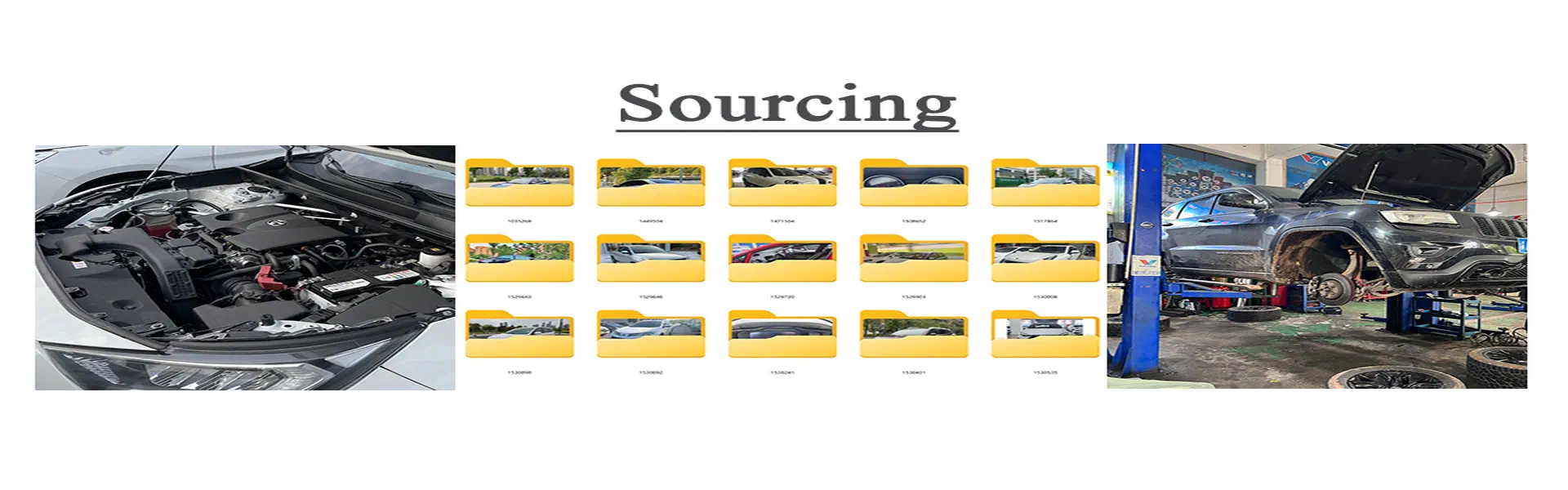

Assessing the quality of used vehicles is essential for buyers looking to import from China. This involves understanding vehicle condition grading, inspection standards, and market-specific requirements, particularly for electric and hybrid SUVs. Buyers must also be vigilant in verifying claims and identifying potential red flags that could indicate underlying issues.
When evaluating a vehicle’s condition, several factors come into play. Cosmetic condition covers the exterior and interior appearance, while mechanical health relates to the engine, transmission, and other vital systems. Mileage bands can indicate wear and tear; generally, lower mileage suggests less use but does not always guarantee quality. Service history plays a significant role—complete records can provide insights into how well the vehicle has been maintained. Buyers should always seek detailed service logs to confirm claims of regular upkeep.
Inspection is a critical step in the purchasing process. A thorough inspection should cover all major components, including brakes, suspension, and electrical systems. However, it often does not guarantee that all issues will be detected. Buyers should consider hiring independent inspectors who can provide an unbiased assessment. Additionally, understanding what “export-grade” or “dealer-grade” means is vital; these terms typically indicate that vehicles meet specific standards for sale but may still require further verification.
When sourcing vehicles, buyers can choose between dealerships and auction sites. Dealerships often provide more comprehensive service and warranties, while auctions can offer competitive pricing. Each option has its pros and cons. Buyers should consider their risk tolerance and the level of after-sales support desired. Auctions may present opportunities for lower prices but usually lack the safeguards offered by established dealers.
Verification of claims is essential in ensuring the quality of a used vehicle. Buyers should confirm key details such as the VIN, service history, and any accident reports. Many platforms offer VIN verification services, which can help identify if a vehicle has been reported stolen or has outstanding liens. This step is crucial since discrepancies could lead to significant issues down the line.

Certain condition red flags should be watched for during the assessment process. Signs of previous accidents, such as uneven panel gaps, mismatched paint, or rust, can indicate poor repair work. Additionally, irregularities in the mileage—especially if the numbers seem too low for the vehicle’s age—can also be a cause for concern. Buyers should be prepared to ask detailed questions and request documentation to back up any claims made by sellers.
The export process itself requires attention to detail. Export licensing, customs clearance, and pre-shipment inspection are all necessary steps that can vary by destination market. For example, many African countries have specific regulations regarding vehicle age and emission standards. Buyers should confirm these regulations ahead of time to avoid complications during importation. Shipping can occur via RoRo or container methods, and understanding the logistics can impact lead times and overall cost.
FAQ
Q: What should I check in a vehicle’s service history?
A: Look for regular maintenance records, any major repairs, and whether the vehicle has undergone inspections or recalls.
Q: How can I verify the condition of a used vehicle before purchase?
A: Request a detailed inspection report, check the VIN for history, and consider hiring an independent inspector for a thorough assessment.