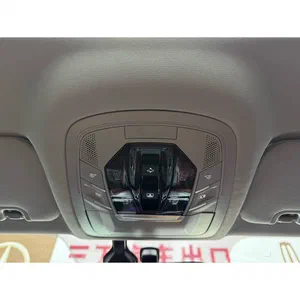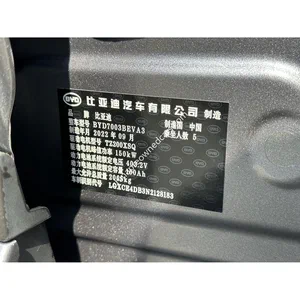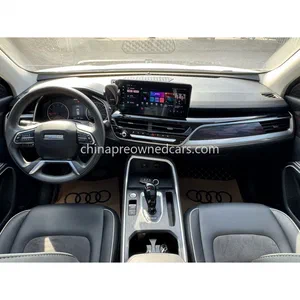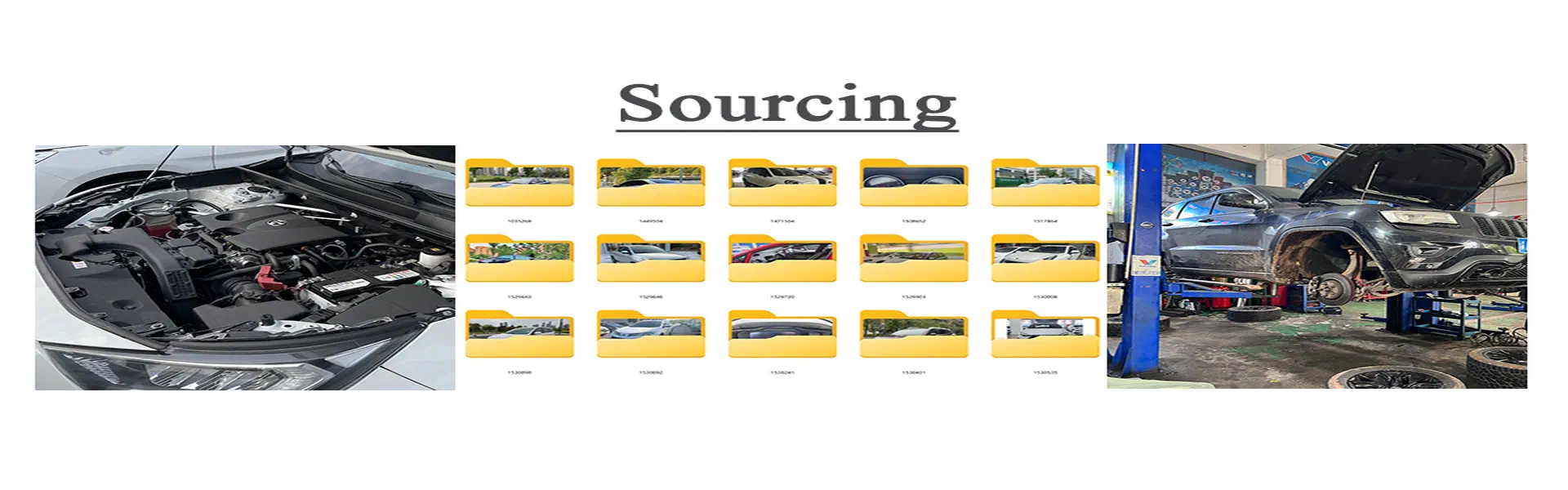
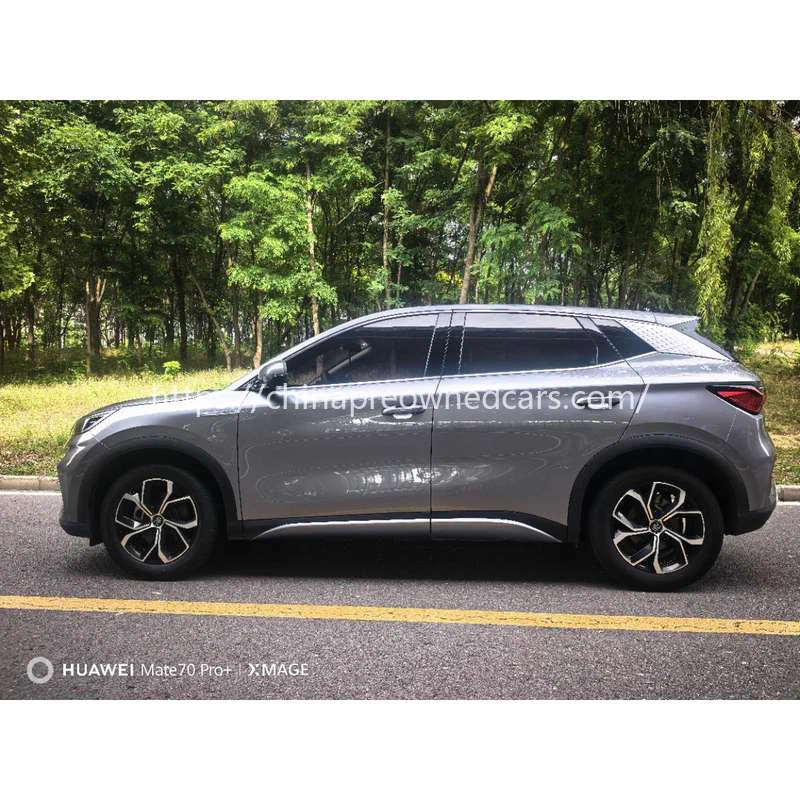
The export workflow for used vehicles from China involves several key stages, ensuring that buyers receive quality vehicles while complying with international regulations. Pre-shipment inspection is critical. This process typically checks for vehicle condition, mileage, and functionality, ensuring that it meets the standards required by import regulations in destination markets. Certification from an authorized inspection agency is usually required, confirming that the vehicle is roadworthy and conforms to specified criteria.
Export documentation is another vital component of the process. Documentation includes customs declaration forms, a bill of lading, and a certificate of origin, which establishes the vehicle’s provenance. These documents facilitate customs clearance at the destination port, which is essential for a smooth import process. Buyers should be aware that failure to provide the required documentation can result in delays or additional fees. Furthermore, understanding the shipping method is crucial. Vehicles can be shipped via Roll-on/Roll-off (RoRo) or in containers, with RoRo generally being more cost-effective. However, shipping in containers offers better protection against damage, which can be a significant consideration for high-value vehicles such as electric SUVs.
When sourcing used cars from China, thorough verification is essential. Buyers should check vehicle history reports, ensuring the accuracy of mileage and any previous accidents. It is advisable to assess the vehicle condition grading provided by the seller and to request a pre-purchase inspection. Payment terms should be agreed upon before finalizing the purchase, and typical shipping lead times range from two to four weeks depending on the chosen method. After-sales support is also an important factor; buyers should confirm the availability of warranty options and assistance in the event of post-purchase issues.

FAQ
Q: What are the typical documents needed for importing a used vehicle from China?
A: Key documents include the bill of lading, customs declaration, and certificate of origin. Additional paperwork may be required based on destination country regulations.
Q: What is the difference between RoRo and container shipping?
A: RoRo is generally more cost-effective for larger shipments but offers less protection against damage compared to container shipping, which is safer for high-value vehicles.
Q: How can I verify the condition of a used vehicle before purchase?
A: Buyers should request a vehicle history report and consider a pre-purchase inspection to assess the vehicle’s condition accurately.