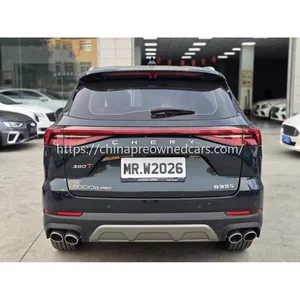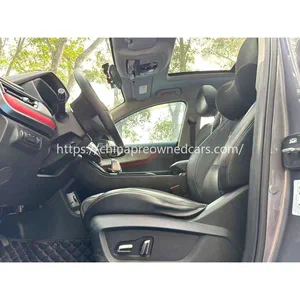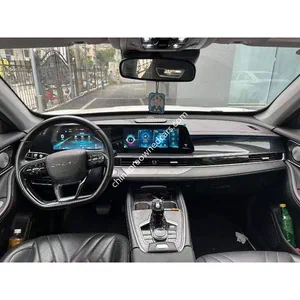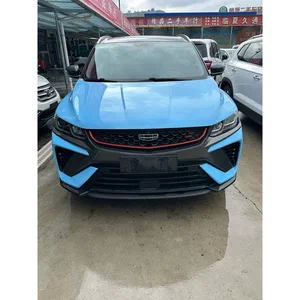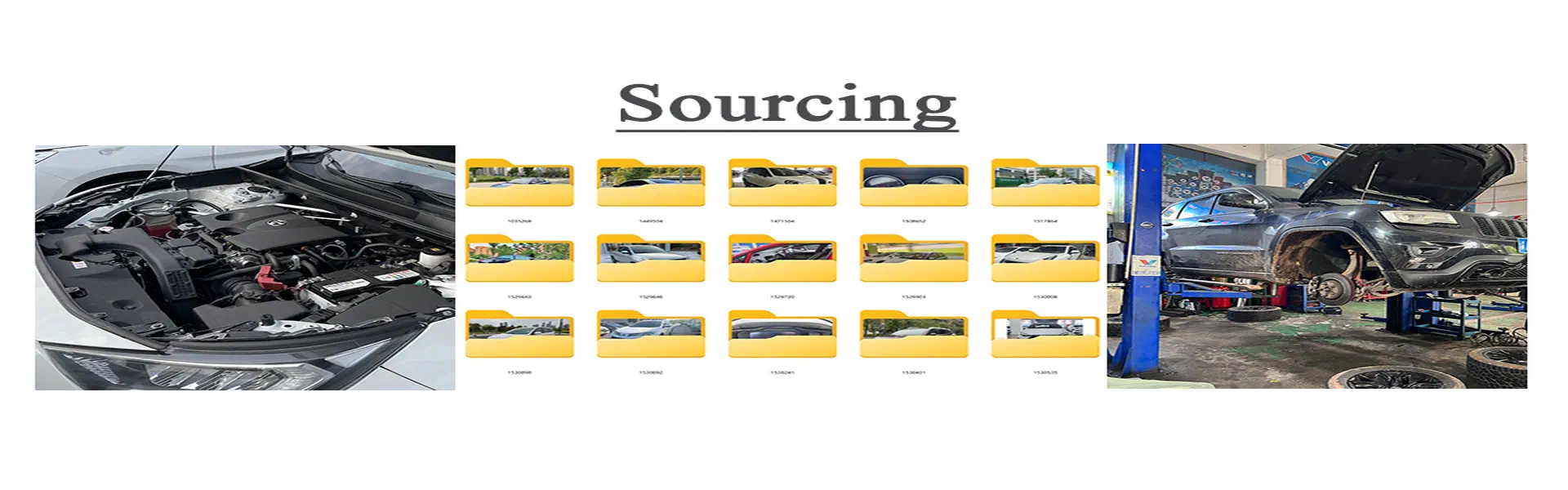
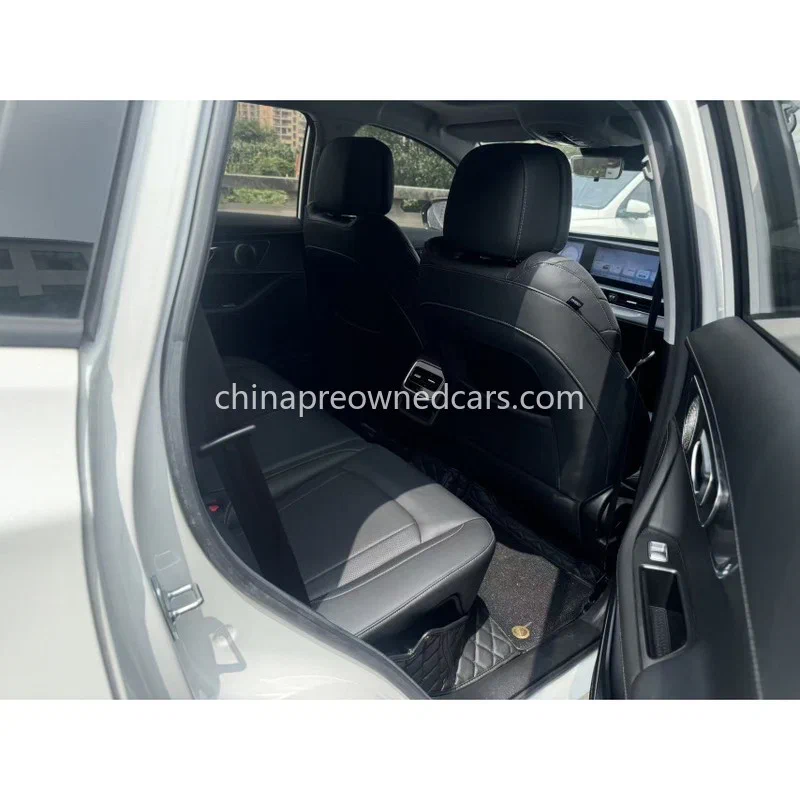
Chinese electric and hybrid vehicles are becoming increasingly popular in export markets, particularly in regions such as Africa, the Middle East, and South America. This article addresses key aspects to consider when sourcing these vehicles, focusing on their specifications, export procedures, and practical buyer guidance.
Vehicle Specifications and Features
Electric vehicles (EVs) like the BYD Atto 3, Chery Tiggo 7 Plus, and Geely Coolray come equipped with advanced features that enhance their appeal. Buyers should pay attention to battery state-of-health assessments, as the longevity and performance of the battery are critical for resale value. The battery’s condition can be verified through diagnostic tools that assess charging cycles and capacity retention. Additionally, understanding the varying charging connector standards—such as GB/T, CCS, and CHAdeMO—is essential, as compatibility with local infrastructure can affect usability. In markets like Kenya or Ghana, ensuring the vehicle’s connectivity with available charging stations is crucial.
Export Procedures

Exporting used electric vehicles involves several procedures, including pre-shipment inspections, customs clearance, and proper documentation. Vehicles must undergo a thorough inspection to ensure they meet the necessary safety and environmental standards before shipping. Exporters should be familiar with the specific requirements of destination countries, as regulations can vary widely regarding vehicle age, emission standards, and roadworthiness. For example, while some countries may require compliance with Euro 5 standards, others may have different specifications. Documentation such as the export license, bill of lading, and customs declaration must be meticulously prepared to facilitate smooth customs clearance.
Shipping Methods: RoRo vs. Container
When exporting vehicles, the choice of shipping method can significantly impact costs and logistics. Roll-on/roll-off (RoRo) shipping is often more economical and faster, allowing vehicles to be driven directly onto the vessel. However, container shipping provides additional protection against damage during transit, making it a preferred option for high-value vehicles. Buyers should weigh these considerations based on their budget and the vehicle’s condition to determine the most suitable shipping method.
Market-Specific Requirements
Each destination market has its own set of regulations that affect vehicle imports, including drive side configurations, which is predominantly left-hand drive for Chinese vehicles. Buyers should confirm current import regulations, as they may include specific age limits for vehicles and varying emission standard requirements. Understanding these regulations is vital for ensuring that the vehicle can legally enter the selected market without incurring additional costs or penalties.
Practical Guidance for Buyers
Before purchasing, it is important for buyers to verify the vehicle’s history, including mileage and condition grading. High mileage may indicate potential issues, while well-maintained vehicles typically offer better performance and reliability. Buyers should also consider the payment terms, which can vary depending on the exporter. Commonly, exporters may require a deposit followed by full payment before shipment. Shipping lead times can range from 15 to 25 days, depending on the chosen method and destination. After-sales support is another aspect to consider; reliable exporters should provide assistance with any issues that may arise post-sale.
Conclusion
Sourcing electric and hybrid vehicles from China requires careful consideration of technical specifications, export logistics, and market regulations. Buyers must conduct thorough due diligence to ensure they select vehicles that meet their needs and comply with local laws. By understanding the nuances of the export process and vehicle assessment, buyers can make informed decisions that align with their business objectives.
FAQ
Q: What should I check before purchasing an electric vehicle from China?
A: Verify the vehicle’s battery state-of-health, history, mileage, and condition grading before making a purchase.
Q: What are the shipping options for exporting vehicles?
A: Vehicles can be shipped via RoRo for cost-effectiveness or container shipping for added protection, depending on the exporter’s strategy.