The wholesale price of used cars is shaped by more than the odometer reading. For overseas buyers sourcing vehicles from China, mileage, mechanical condition, service records and inspection findings all affect the value of a vehicle and the risks attached to its purchase. A sound sourcing process begins with evidence of condition rather than the asking price alone.
How Mileage and Condition Determine Used Vehicle Value
Mileage is one of the first figures buyers examine, but it should never be treated as a standalone measure of vehicle quality. A vehicle with relatively low mileage may have spent long periods unused, received irregular maintenance or experienced repeated short journeys. Another vehicle with higher mileage may have been maintained consistently and used mainly on open roads. Both cases require further investigation before a wholesale valuation can be established.
Mileage should be checked against the odometer, available service records, inspection documents and electronic vehicle data where accessible. Buyers should request photographs of the dashboard and VIN information, then compare these details with the vehicle’s available history. Inconsistent mileage entries, unexplained gaps in maintenance records or signs of instrument replacement deserve attention. No single document proves the complete mileage history, particularly when a vehicle has changed owners or service providers.
Condition grading provides a second reference point. Although grading systems differ between dealers and auction platforms, assessments generally consider several areas:
- Exterior condition: paint scratches, dents, corrosion, panel alignment, glass damage and evidence of previous repairs.
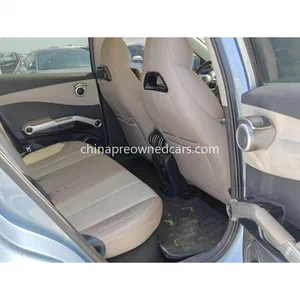
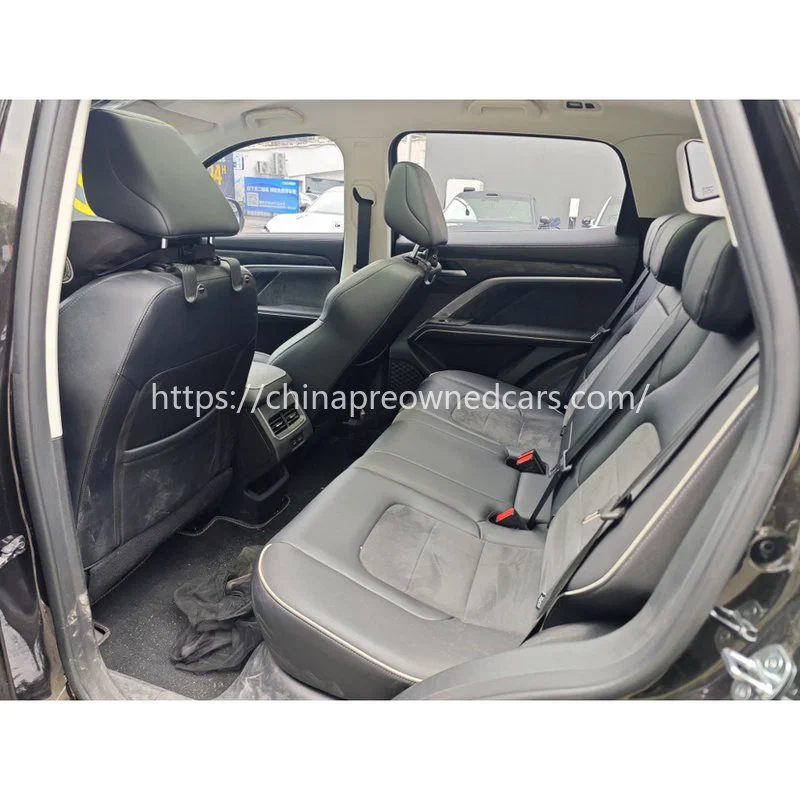
- Interior condition: seat wear, dashboard damage, steering wheel condition, electronic controls and signs of water exposure.
- Mechanical condition: engine operation, transmission response, suspension, steering, braking and cooling systems.
- Electrical condition: warning lights, sensors, lighting, infotainment and other installed equipment.
- Maintenance history: available service invoices, replacement records, previous repair information and ownership documentation.
A useful grading report separates cosmetic defects from mechanical concerns. Minor paint damage should not automatically place a vehicle in the same category as one with transmission problems or structural repairs. Buyers should also request photographs of individual defects rather than relying on a single overall grade.
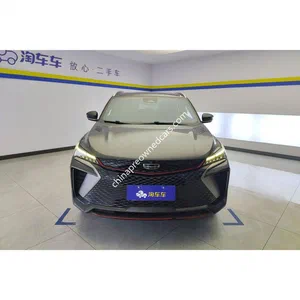
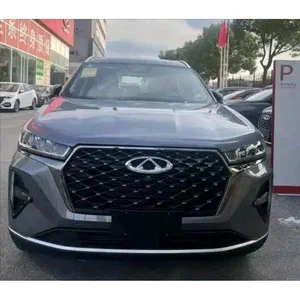
For Chinese SUVs such as the BYD Atto 3, Chery Tiggo 7 Plus, Chery Tiggo 8 Pro, Geely Coolray and Haval H6, the inspection criteria should reflect the powertrain. Petrol vehicles require attention to engine operation, transmission performance and fluid leaks. Electric vehicles need additional battery and high-voltage system checks. Hybrid vehicles require assessment of both the combustion engine and electrical components.
Inspection, Sourcing Channels and Verification Before Payment
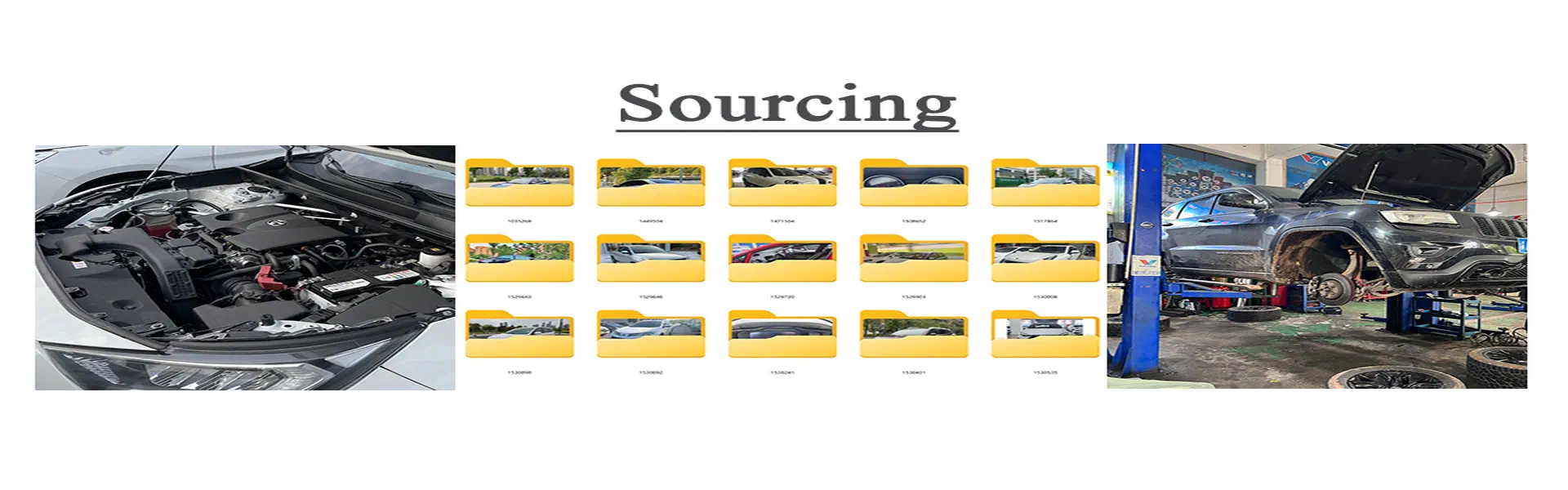
The sourcing channel affects the amount of information available before purchase. Dealer sourcing can provide direct communication about maintenance records, previous ownership and repair history. It may also allow buyers to request additional photographs, arrange inspections and negotiate repairs before shipment. However, dealer descriptions remain seller-provided information until independently checked.
Auction sourcing works differently. Auction vehicles may offer access to a wider selection, but inspection time and available documentation can be limited. Some listings provide condition grades and photographs, while others contain only basic vehicle details. Buyers should examine the auction report, understand the grading scale and identify any restrictions on post-sale inspection. A favourable auction grade does not replace an independent mechanical assessment.
A pre-purchase inspection should be arranged before the final purchase commitment wherever possible. The inspection should cover the VIN and identification plates, body structure, paint condition, chassis, tyres, brakes, suspension, engine or motor operation, transmission and electronic systems. A road test, where permitted, can reveal noises, steering problems, abnormal vibration and transmission hesitation that static photographs cannot show. Buyers should receive a dated report with clear photographs and a list of defects.
Inspection has limits. It cannot establish every previous accident, predict the remaining service life of components or guarantee that an intermittent fault will not appear later. A diagnostic scan only records information accessible to the equipment and vehicle systems at the time of testing. Hidden repairs, erased fault codes and incomplete historical records can leave gaps. An inspection report should therefore state what was tested, what could not be tested and whether any components require further examination.

Electric and hybrid vehicles need a separate assessment of battery condition. For a used BYD Atto 3, buyers should request an available battery state-of-health report, diagnostic information, charging tests and details of any battery-related repairs. Battery capacity, charging behaviour and thermal management faults can affect the vehicle’s practical value. A dashboard range estimate alone is not a battery health certificate. Hybrid buyers should also verify the operation of the petrol engine, hybrid battery and charging or energy-recovery systems as applicable.
The term export-grade or dealer-grade should also be treated as a description, not an independent certification. In practical sourcing, export-grade should mean that the vehicle has been assessed against an agreed condition standard, identified defects have been disclosed and the documentation needed for export has been reviewed. Dealer-grade may refer to a vehicle suitable for resale after normal preparation, but the exact meaning varies between suppliers. Buyers should request a written grading definition before comparing quotations.
Pricing, Payment and Export Preparation
The wholesale price of used cars should be evaluated against the complete inspection findings. Two vehicles of the same model and similar mileage can have different values because of accident repairs, tyre wear, missing service records, interior damage or mechanical defects. Buyers should compare vehicles with similar specifications and condition categories, then calculate the cost of any repairs or preparation required before resale.
A practical purchase checklist includes:
- VIN consistency across the vehicle, purchase documents and export paperwork.
- Mileage records and any available ownership or service history.
- Written condition grading with photographs of defects.
- Mechanical inspection findings and unresolved diagnostic codes.
- Battery condition information for electric and hybrid vehicles.
- Included equipment, keys, charging accessories and spare parts.
- Agreed repair responsibilities and the condition standard at handover.
Payment terms should be agreed in writing before funds are transferred. The purchase agreement should identify the vehicle by VIN, specify the agreed condition, record the inspection basis and explain the deposit, balance payment and refund arrangements. Buyers should also establish who pays for inspection, domestic transport, export preparation and port handling. Payment should follow verified company and banking details rather than informal instructions from an unconfirmed intermediary.
After purchase, China’s used vehicle export process involves the required export licensing, customs declaration, documentation review and pre-shipment inspection. The exporter should explain which documents it handles and which records the buyer must provide. Shipping arrangements may use RoRo or container transport. RoRo is generally suited to vehicles that can be driven or handled through the vessel’s vehicle decks, while container shipping can provide a different loading and handling arrangement. The choice affects freight costs, loading procedures and protection during transit.
Buyers in Ghana, Nigeria, Kenya, Uganda and Tanzania should confirm current import requirements before selecting a vehicle. Vehicle age restrictions, emissions rules, roadworthiness requirements, duties and other import conditions vary by destination and can change. Most vehicles in the listed Chinese inventory are left-hand drive, so drive-side compatibility must be checked before purchase. Electric and hybrid models may also require additional attention to battery transport documentation and local charging arrangements.
Condition verification should continue through the handover process. Buyers can request final loading photographs, VIN confirmation, copies of export documents and the shipping information once available. They should also clarify how discrepancies discovered before loading will be handled. For wholesale transactions, a clearly documented vehicle condition at purchase and a separate record at export handover provide a more useful basis for resolving disputes than a general promise of quality.
FAQ
Q: Does lower mileage always mean a higher-quality used car?
A: No. Mileage must be considered alongside maintenance history, mechanical condition, usage patterns and inspection results. A low-mileage vehicle with neglected maintenance may present greater risks than a properly serviced vehicle with higher mileage.
Q: What should buyers request before purchasing a used electric SUV from China?
A: Buyers should request VIN details, mileage records, an independent inspection report, available battery state-of-health information and charging-system diagnostic results. They should also check for previous battery repairs and unresolved warning codes.
Q: What does export-grade mean when sourcing used cars from China?
A: Export-grade generally describes a vehicle assessed for export and resale against an agreed condition standard, with defects disclosed and relevant documentation reviewed. Buyers should request a written grading definition and independent inspection evidence rather than treating the term as a guarantee.