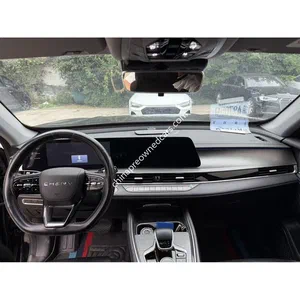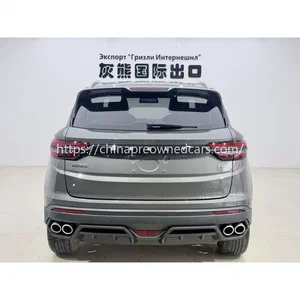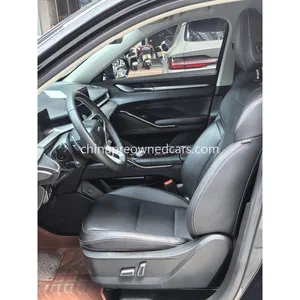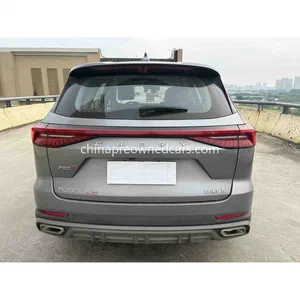
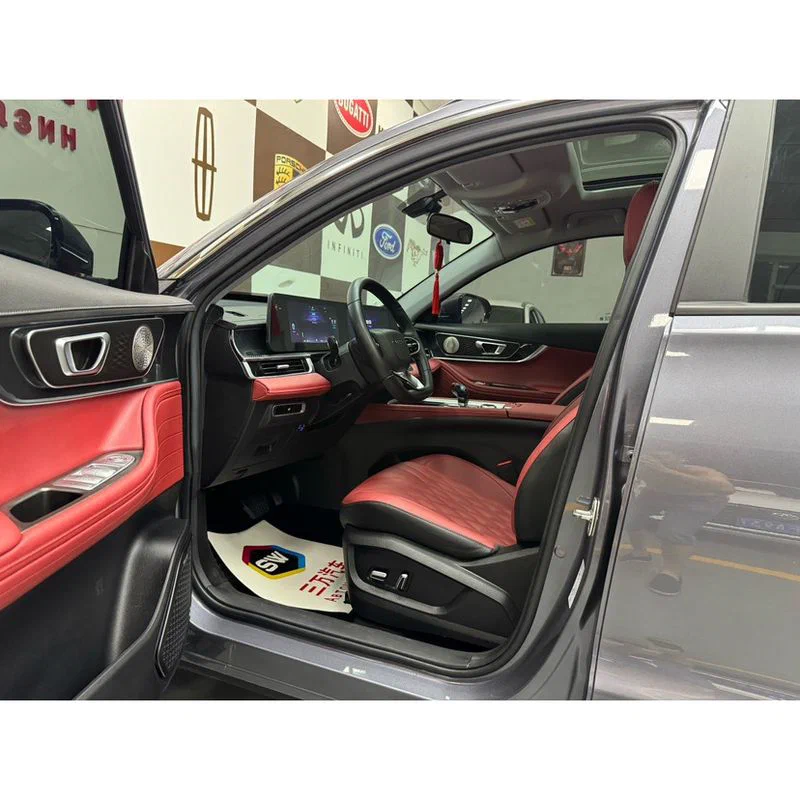
Used electric cars prices vary based on model, age, and condition, but they generally fall within a range that reflects market demand and vehicle specifications. For instance, popular models like the BYD Atto 3 and Chery Tiggo 7 Plus can be sourced at competitive prices, making them appealing options for buyers in regions such as Africa and the Middle East.
When considering a purchase, it is crucial to verify the vehicle’s history, mileage, and condition grading. A detailed vehicle history report can reveal previous ownership, accident history, and service records, which are essential for assessing the vehicle’s reliability. Buyers should also carefully inspect the vehicle to ensure its condition aligns with their expectations, particularly in terms of battery health and overall wear.
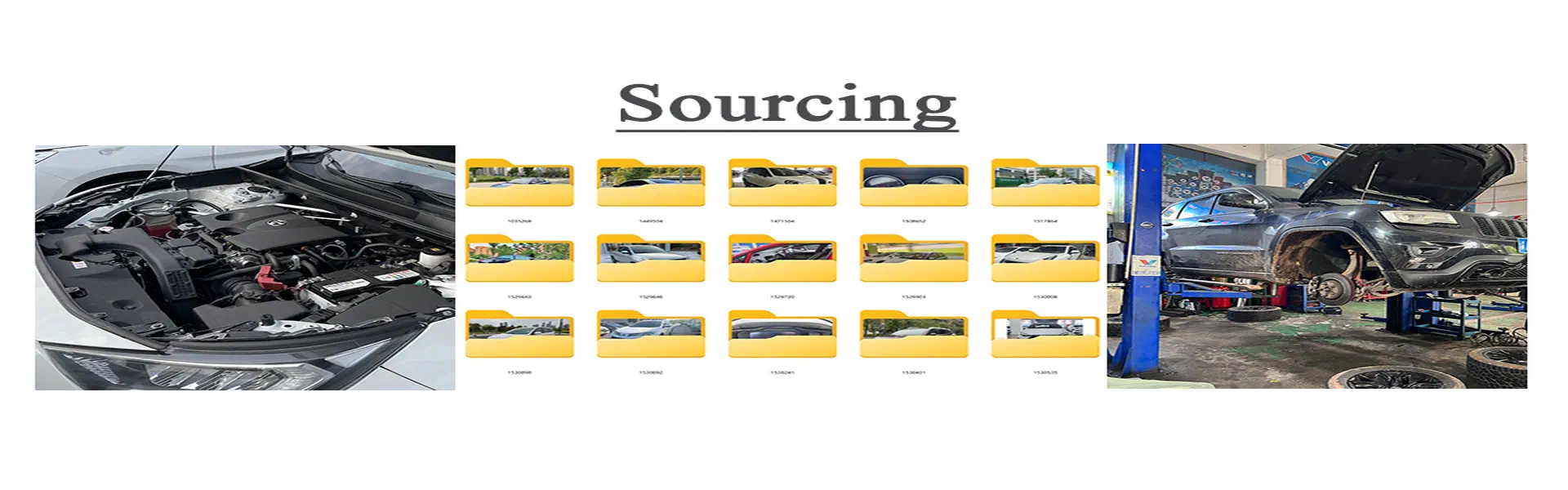
The sourcing process can either involve working with a dealer or participating in auctions. Dealers typically offer more comprehensive services, including inspections and after-sales support, while auctions may provide lower prices but require buyers to be more diligent in their evaluations. Understanding the pros and cons of each option can significantly influence the purchasing decision.
Pre-shipment inspections are another critical aspect of the export process. These inspections help ensure that the vehicle meets the necessary standards for export and complies with destination country regulations. It is advisable to choose a reliable inspection service that can provide a thorough assessment of the vehicle, including its mechanical and cosmetic condition.
Documentation plays a vital role in the export process. Buyers should be prepared to handle various paperwork, such as export licenses, customs declarations, and bills of sale. Ensuring that all documentation is accurate and complete is essential for smooth customs clearance. Any discrepancies or missing paperwork can lead to delays or additional costs.
Shipping methods also affect the overall purchasing experience. Vehicles can be shipped either via Roll-on/Roll-off (RoRo) or in containers. RoRo is often more cost-effective and faster, but container shipping provides additional protection for the vehicle during transit. Buyers should consider their priorities and budget when selecting a shipping method.
Payment terms can vary significantly depending on the exporter. Buyers should clarify payment methods, whether it involves bank transfers, letters of credit, or other arrangements. Understanding the payment structure can help prevent misunderstandings and ensure a smooth transaction.
Understanding market-specific requirements is crucial for successful importation. Most vehicles sourced from China are left-hand drive, which may not be suitable for all markets. Buyers should verify the specific regulations regarding vehicle age, emission standards, and roadworthiness for their destination country, as these can differ widely. It is advisable to consult with local authorities or import agents to confirm current regulations.

FAQ
Q: What should I check before purchasing a used electric vehicle? A: Verify the vehicle’s history, mileage, and condition grading. Conduct a thorough inspection and obtain a vehicle history report.
Q: How can I ensure a smooth export process? A: Ensure all documentation is accurate, including export licenses and customs declarations. Conduct a pre-shipment inspection to meet destination regulations.
Q: What shipping options are available for exporting vehicles? A: Vehicles can be shipped via Roll-on/Roll-off (RoRo) or in containers, depending on budget and protection needs.