“Certified” on a used car does not automatically mean that a government authority has approved it or that its condition is guaranteed. For export purchases from China, the term usually refers to a documented inspection or assessment carried out by a dealer, exporter, auction platform, or independent inspection company, so buyers must establish exactly who issued the certification and what it covers.
What Certification Actually Covers
A certified used car should have supporting records that explain its identity, condition, and inspection status. However, there is no single universal certification standard covering every used vehicle exported from China. One seller may use the term for a basic mechanical inspection, while another may refer to a more detailed assessment involving the engine, transmission, bodywork, electronics, and maintenance records. The distinction matters. A certification label without an identifiable inspection process offers limited protection to an overseas buyer. Before accepting it, request the inspection date, inspection scope, vehicle identification number (VIN), photographs, and the name of the issuing party. Check whether the report identifies faults or simply records that the vehicle passed a seller-defined checklist. Buyers searching for certified used cars under 20k should apply the same checks regardless of the advertised budget. A lower purchase price does not make missing documentation less important. Certification should be treated as supporting evidence, not a substitute for independent verification or a contractual description of the vehicle being purchased.
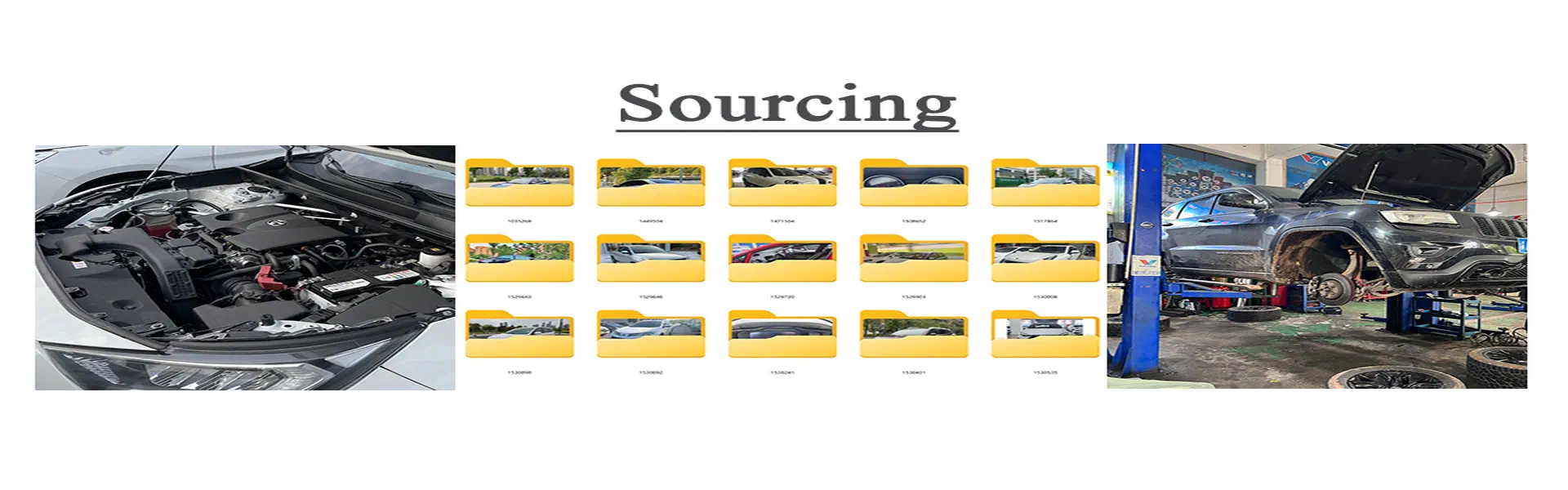
The first sourcing decision is where the vehicle comes from. Chinese domestic dealerships and vehicle auctions offer different purchasing conditions. Dealers may provide more accessible vehicle records, clearer communication, and an opportunity to arrange an inspection before payment. Auction vehicles can offer a wider selection, but their condition descriptions may follow platform-specific grading systems. A grade from one auction house should not automatically be compared with the same letter or number from another. Auction photographs can also conceal damage outside the camera’s coverage. For either channel, request the original listing, previous ownership information where available, service records, and any disclosed accident or repair history. VIN verification is particularly important because it connects the physical vehicle to its available records. Check that the VIN on the vehicle matches the inspection report and export documentation. Mileage deserves similar attention. Compare the odometer reading with available maintenance records, interior wear, tyre condition, and electronic service information where accessible. A low reading alone is not proof of limited use. If the records contain unexplained gaps, ask the supplier to clarify them before agreeing to purchase.
Inspection, Condition Grading and Payment
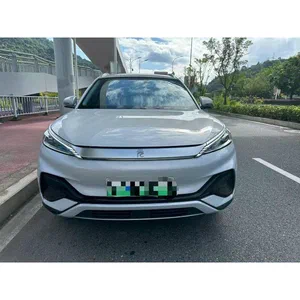
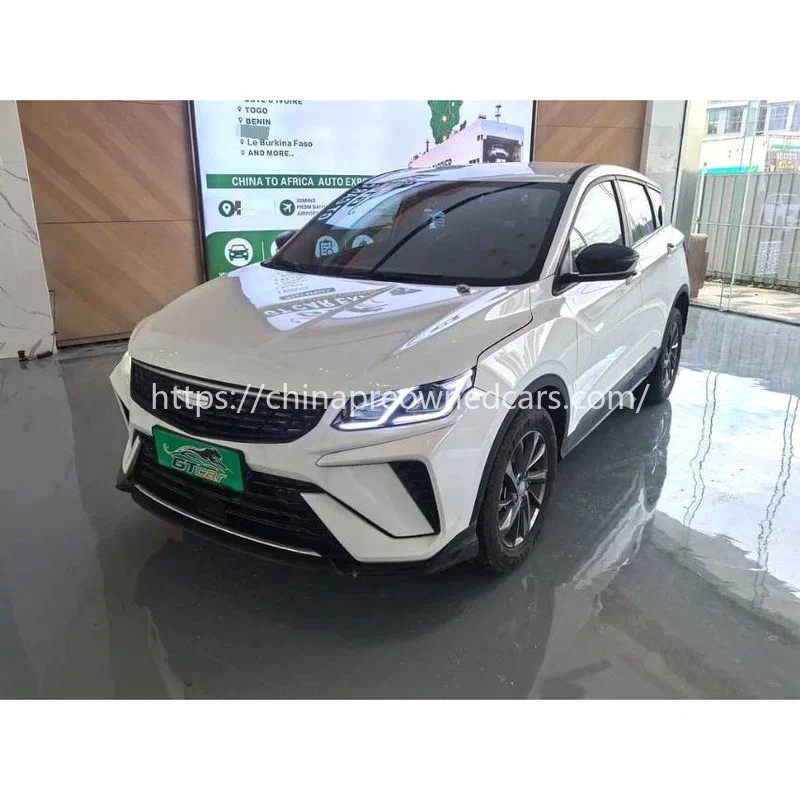
A proper pre-purchase inspection should examine more than the vehicle’s appearance. The body inspection should identify repainting, panel replacement, corrosion, structural repairs, and signs of previous collision damage. Mechanical checks should cover the engine, transmission, suspension, steering, brakes, cooling system, and electrical equipment, as applicable. Warning lights and diagnostic fault codes also require attention. Condition grading should distinguish cosmetic wear from faults that affect safety or operation. Buyers should request photographs of identified defects rather than relying on a single overall grade. For Chinese-brand SUVs such as the Chery Tiggo 7 Plus, Chery Tiggo 8 Pro, Geely Coolray, and Haval H6, the inspection should also consider the equipment fitted to the specific vehicle rather than assuming every trim has identical features. The BYD Atto 3 requires additional checks because it is an electric vehicle. Battery state of health, diagnostic information, charging performance, battery damage, and available charging equipment should be documented where possible. A battery percentage shown on the dashboard is not a complete battery health assessment. Inspection results should be recent enough to reflect the vehicle’s condition at the point of purchase, with any subsequent repairs or changes disclosed.

Payment terms should be agreed only after the vehicle and its supporting documents have been reviewed. A buyer should establish whether the quoted amount covers the vehicle alone or also includes inspection, export preparation, documentation, inland transport, and shipping. These costs can affect the final landed cost considerably. Written payment terms should identify the deposit, balance payment trigger, accepted payment method, cancellation conditions, and responsibility for any additional charges. Avoid transferring the full amount solely on the basis of photographs or an informal certification statement. A practical arrangement links the next payment stage to agreed evidence, such as a completed inspection report, confirmation of vehicle identity, or documented readiness for export. The sales contract should identify the exact vehicle by VIN and record its agreed condition, mileage reading, included equipment, and known defects. It should also explain what happens if the inspection reveals a material difference from the original description. Buyers should retain payment receipts and written correspondence. These records become important if a discrepancy arises before shipment.
Export Preparation and Destination Checks
Certification does not replace China’s export procedures or the import requirements of the receiving country. Before shipment, the exporter must arrange the applicable export licensing, customs declaration, and pre-shipment inspection requirements. Export documentation should be checked for consistency, including the commercial invoice, vehicle identification details, shipping documents, and other documents required for the transaction. Vehicles can be transported by roll-on/roll-off (RoRo) shipping or loaded into containers. RoRo is generally suited to vehicles that can be driven onto and off the vessel, while container shipping provides an enclosed transport option and may suit particular handling or cargo arrangements. The choice affects shipping costs, loading procedures, and cargo protection. Buyers importing into Ghana, Nigeria, Kenya, Uganda, or Tanzania must separately confirm current vehicle age restrictions, applicable emission standards, roadworthiness requirements, duties, taxes, and registration conditions. Drive side is another important consideration. Most vehicles sourced from China’s domestic market are left-hand drive, which may not qualify for registration in markets requiring right-hand-drive vehicles unless an eligible vehicle is specifically sourced. Electric vehicles require further checks concerning battery transport arrangements, destination charging compatibility, and local servicing capability. These requirements should be confirmed before a deposit is committed, not after the vehicle reaches the port. A certified vehicle can still be refused entry if it does not meet the destination’s current import rules.
FAQ
Q: Does certified mean a used car has no mechanical problems?
A: No. Certification indicates that an inspection or assessment has taken place, but its scope and standards vary. Buyers should review the actual report and disclosed defects.
Q: Is an auction-certified vehicle as reliable as a dealer-certified vehicle?
A: Not necessarily. The issuing party, inspection methodology, and available vehicle history matter more than the sales channel. Independent verification is advisable for both.
Q: Can a certified used car from China be imported into Ghana, Nigeria, Kenya, Uganda, or Tanzania?
A: Potentially, provided it meets the destination country’s current import, age, emission, drive-side, and roadworthiness requirements. Certification does not guarantee customs clearance or registration.