
Sourcing electric and hybrid vehicles for export requires careful consideration of various technical and logistical factors. With the increasing popularity of these vehicles in markets such as Africa, the Middle East, and South America, understanding the nuances of battery health, charging standards, and export procedures is essential for buyers. This article will explore key aspects of sourcing used electric vehicles, focusing on what to verify before making a purchase.
Battery State-of-Health and Degradation
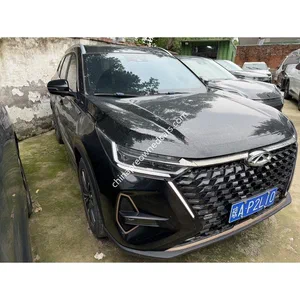
A critical factor in assessing used electric vehicles, such as the BYD Atto 3 or Chery Tiggo 8 Pro, is the battery state-of-health. Battery performance can significantly influence resale value and suitability for export markets. Buyers should obtain a detailed battery report that indicates the remaining capacity and any degradation. Regular use and age can affect battery life, so understanding these factors is important for predicting future performance. Verifying the battery health at the time of purchase can help avoid potential issues with range and charging capabilities later.
Charging Standards and Market Compatibility
Different regions employ various charging standards, which can complicate the export of electric vehicles. In China, the GB/T standard is prevalent, while international markets may utilize CCS or CHAdeMO connectors. Potential buyers must ensure that the vehicles they source are compatible with the charging infrastructure in their target markets. For instance, many African countries are gradually developing their electric vehicle charging networks, so verifying the availability of charging stations is crucial. Buyers should research which connectors are commonly accepted in their destination countries to avoid compatibility issues.

Export Procedures: Inspection and Documentation
Navigating the export process for used vehicles involves several steps. Export licensing, customs declaration, and pre-shipment inspection are essential components. Before shipment, vehicles should undergo a comprehensive inspection to ensure compliance with destination regulations, which often include vehicle age limits and emission standards. Buyers should be familiar with the specific import regulations of their target market, as these can vary widely. Additionally, thorough documentation is necessary for customs clearance, so ensuring all paperwork is in order before shipping can help avoid delays.
Choosing Between Dealer and Auction Sourcing
Buyers can source used electric vehicles through dealers or auctions, each with its own advantages and drawbacks. Dealer sourcing often provides more comprehensive vehicle history, including maintenance records and mileage reports, which can assure buyers of the vehicle’s condition. Auctions may offer lower prices but typically come with less transparency regarding the vehicle’s history. Buyers should weigh the benefits of guaranteed vehicle conditions against the potential cost savings of auction purchases. In either case, a thorough pre-purchase inspection is advisable to mitigate risks.
Payment Terms and Shipping Lead Times
Understanding payment terms is crucial when sourcing vehicles for export. Transactions may require upfront payments, partial deposits, or letter of credit arrangements, depending on the seller’s policies. Buyers should clarify payment methods and timelines to avoid complications. Additionally, shipping lead times can vary based on the method chosen; RoRo (Roll-on/Roll-off) shipping is often quicker than container shipping, but each method has its own set of logistical considerations. It’s essential for buyers to plan accordingly and factor in shipping times when coordinating with their import schedules.
After-Sales Support and Additional Considerations
After-sales support is vital for ensuring a successful ownership experience, especially for electric vehicles with unique requirements. Buyers should inquire about warranty options, service availability, and parts accessibility in their destination market. Additionally, considering the vehicle’s long-term viability in terms of battery replacement and maintenance is crucial. Potential buyers should also verify that the vehicle adheres to local safety and emission standards to prevent issues upon arrival.
FAQ
Q: How can I assess the battery state-of-health of an electric vehicle?
A: Buyers should request a battery health report that details the remaining capacity and any degradation from the seller or an authorized service center.
Q: What charging standards should I consider for electric vehicles in my market?
A: Research the prevalent charging standards in your target market, such as GB/T, CCS, or CHAdeMO, to ensure compatibility with local infrastructure.
Q: What are the main steps in the export process for used vehicles?
A: Key steps include obtaining an export license, completing customs declarations, conducting a pre-shipment inspection, and ensuring all necessary documentation is prepared.