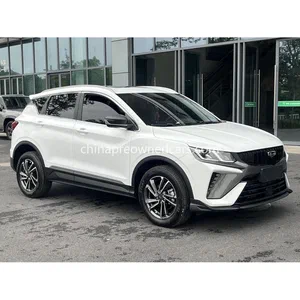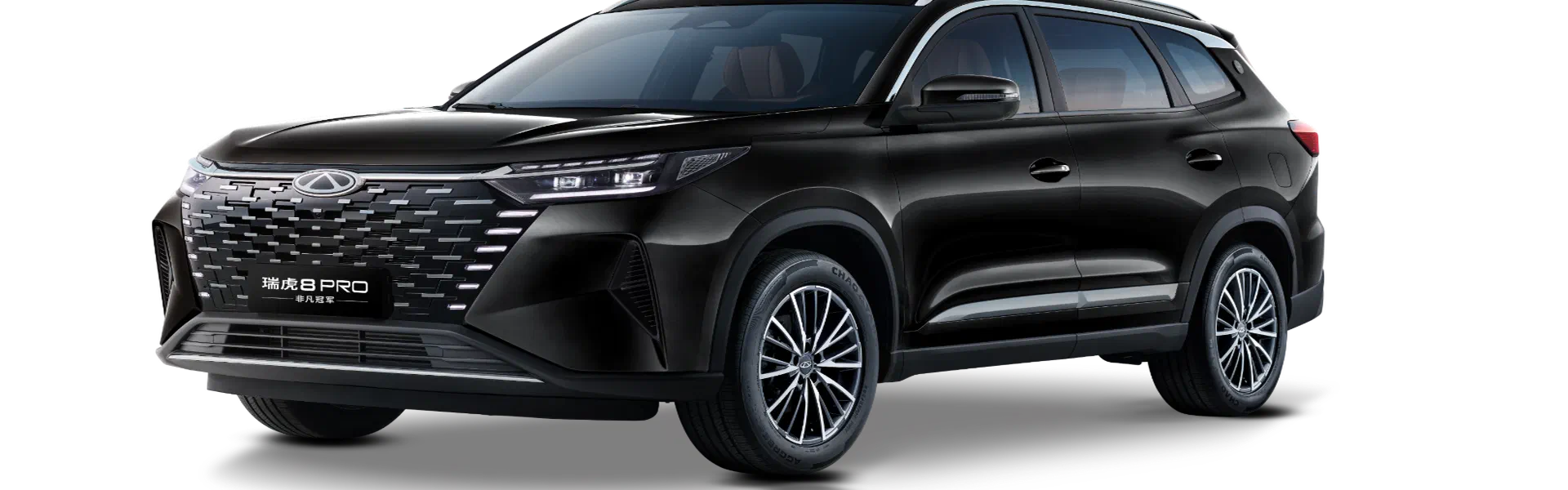

The average price used car buyers pay is determined mainly by the vehicle’s age, mileage, model, condition, and market demand. For international buyers, the final cost also includes export handling, shipping, insurance, customs charges, and destination-country compliance requirements.
Main Factors That Determine Used Car Prices
Vehicle age and mileage are two major pricing factors. Newer vehicles generally retain more value, while higher mileage can indicate greater wear on the engine, transmission, suspension, and interior components. However, mileage alone does not establish a vehicle’s condition. Service records, accident history, maintenance evidence, and an independent inspection provide a more useful basis for assessing its value. The model also matters. Popular SUVs with established demand may retain their resale value better than less sought-after models. In China’s pre-owned vehicle market, buyers can compare options such as the BYD Atto 3, Chery Tiggo 7 Plus, Chery Tiggo 8 Pro, Geely Coolray, and Haval H6. Equipment, drivetrain, powertrain type, and model year all influence the asking price.
Condition, Vehicle Type, and Export Costs
A vehicle’s physical and mechanical condition can create a substantial price difference between examples of the same model. Buyers should examine body panels, paintwork, tyres, brakes, suspension, interior wear, and mechanical components. For electric vehicles, battery state of health, charging performance, diagnostic records, and battery damage history require additional attention. Hybrid vehicles also need checks of both the combustion engine and hybrid system. Export preparation adds another cost layer. China’s used vehicle exports require appropriate export licensing, customs declaration, documentation, and pre-shipment inspection. Shipping arrangements also affect the final quotation. RoRo shipping is generally suitable for operational vehicles driven onto a vessel, while container shipping offers enclosed transport and may suit particular vehicle or cargo requirements. Freight, insurance, port handling, and destination charges should be considered separately. Buyers importing into Ghana, Nigeria, Kenya, Uganda, or Tanzania must also check current vehicle-age restrictions, emissions requirements, roadworthiness rules, and import duties. Most Chinese domestic vehicles are left-hand drive, so drive-side compatibility must be confirmed before payment.
Comparing the Total Purchase Cost
The advertised vehicle price is only one part of the import budget. A useful comparison separates the vehicle purchase cost from inspection, export documentation, inland transport, freight, insurance, customs clearance, and local delivery. Payment terms should be agreed in writing, including the deposit, balance payment, inspection arrangements, and documents supplied before shipment. Buyers should request the VIN, vehicle photographs, mileage evidence, available service history, and inspection findings before confirming an order. Shipping estimates should account for vessel schedules, port processing, and customs procedures rather than relying on an assumed arrival date. Comparing quotations on the same cost basis helps identify differences between exporters. A lower purchase price may not represent a lower landed cost if freight, condition-related repairs, or import charges are higher.

FAQ
Q: What is the biggest factor affecting the average price of a used car?
A: Vehicle age, mileage, model demand, and physical condition are major factors. Export costs and destination-country requirements also affect the final amount paid.
Q: Does a used electric SUV cost more to import than a petrol SUV?
A: Not necessarily. The purchase price and shipping arrangements vary, but electric vehicles require additional battery health checks and transport considerations.
Q: What costs should buyers include when importing a used car from China?
A: Buyers should account for the vehicle price, inspection, export documentation, inland transport, freight, insurance, customs charges, and destination handling fees.