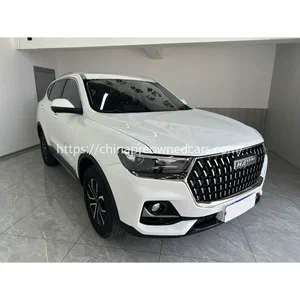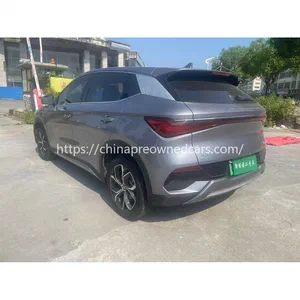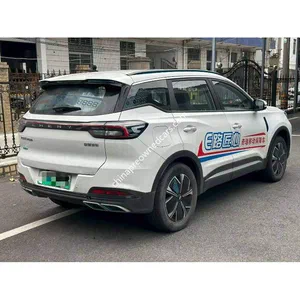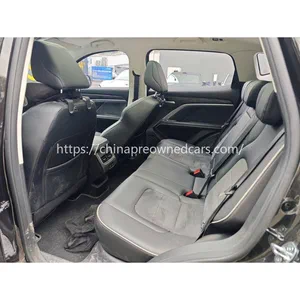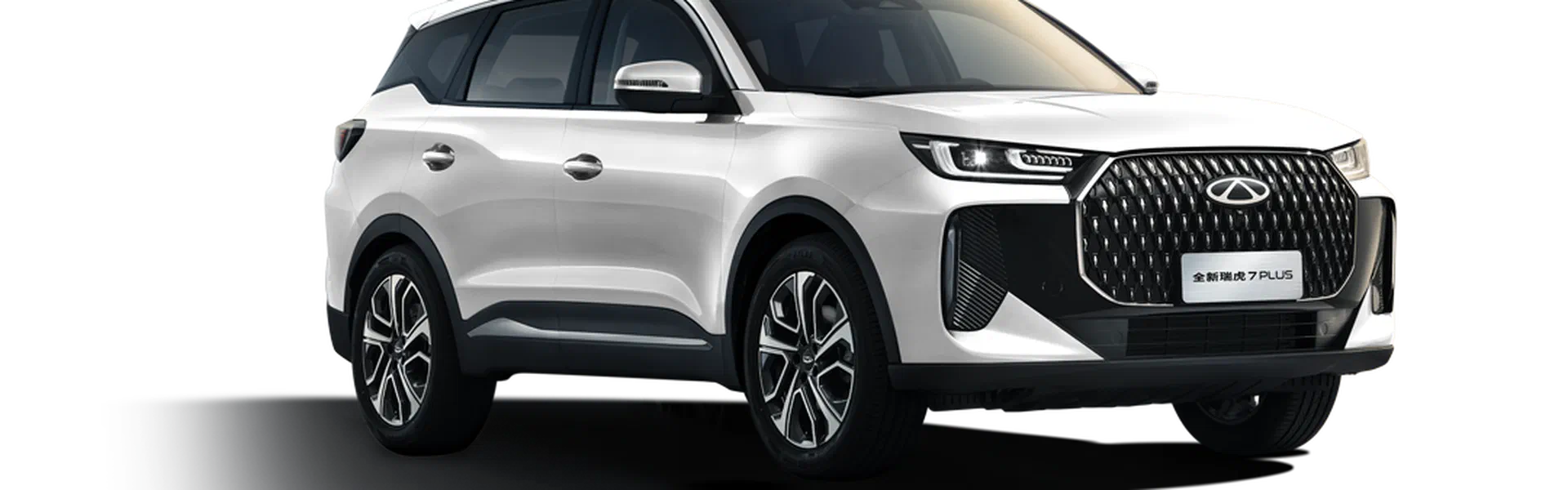
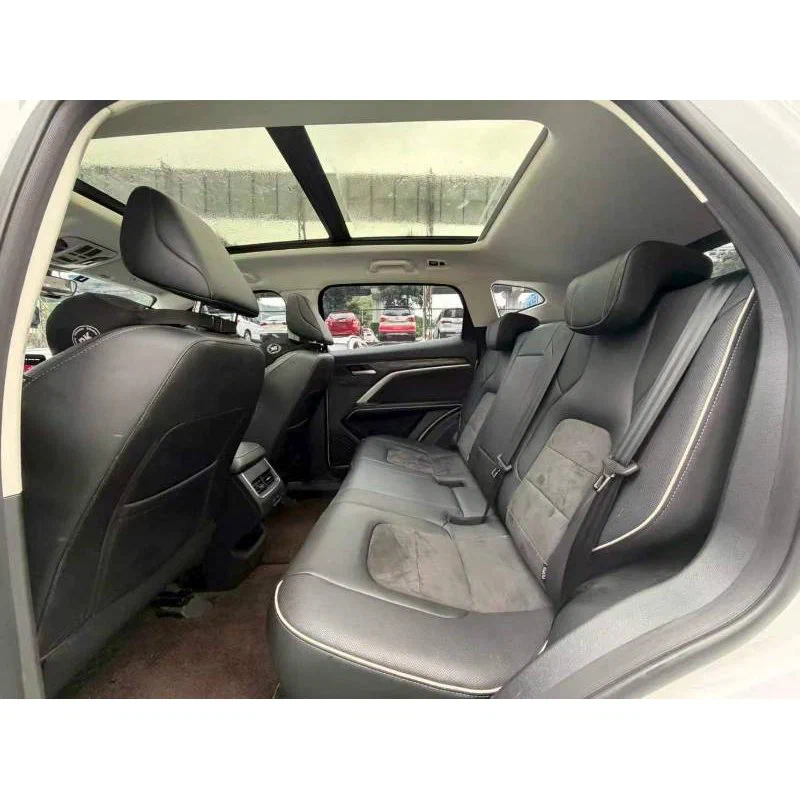
Before buying a second-hand vehicle, check its mechanical condition, service history, mileage, ownership documents and suitability for the destination market. Buyers planning to buy a second hand vehicle from China should also verify the export paperwork, inspection arrangements and shipping method before making payment.
1. Check the Vehicle’s Condition and History
Start with the vehicle identification number (VIN). Compare it against the registration documents, ownership records and available service history. The mileage should be consistent with recorded maintenance and inspection information. A low odometer reading alone does not establish good condition. Buyers should also request photographs and inspection records showing the vehicle’s exterior, interior, tyres, suspension and underbody. Look for accident repairs, paint differences, corrosion, fluid leaks and signs of structural damage.

Mechanical checks matter just as much. The engine, transmission, braking system, steering and electrical components should be inspected by a qualified technician. For electric and hybrid vehicles, additional checks are necessary. A BYD Atto 3, for example, requires battery state-of-health information, charging-system checks and an assessment of battery condition. The Chery Tiggo 7 Plus, Chery Tiggo 8 Pro, Geely Coolray and Haval H6 should be assessed according to their respective powertrains and equipment. Buyers should request a written condition report rather than relying on general descriptions such as excellent or good. Any grading system should have clearly defined criteria.
2. Verify Export Suitability and Documentation
A vehicle that passes a mechanical inspection may still be unsuitable for import. Ghana, Nigeria, Kenya, Uganda and Tanzania have different rules covering vehicle age, emissions, roadworthiness, customs duties and import documentation. These requirements can change, so the importer should confirm current regulations with the relevant customs authority or licensed clearing agent before purchasing. Drive side is another important consideration. Most vehicles in China’s domestic market are left-hand drive, while destination markets may require or restrict vehicle configurations differently. Buyers should confirm eligibility before selecting a unit.
The export process also needs attention. China’s used vehicle exports require the appropriate export licence, customs declaration and pre-shipment inspection. Buyers should confirm who handles each stage and which documents will be supplied, including the commercial invoice, vehicle ownership or export documents, inspection records and shipping paperwork. RoRo shipping is generally suitable for vehicles that can be driven onto a vessel, while container shipping offers enclosed transport and may suit particular vehicle or cargo arrangements. Before payment, agree on the vehicle identification, inspection scope, payment milestones, shipping method, destination port and responsibility for customs clearance. Shipping lead times depend on vessel schedules, port operations and documentation processing. After-sales support should also be discussed, particularly the availability of technical information and replacement parts.
FAQ
Q: What is the most important check before buying a second-hand vehicle?
A: A physical inspection supported by VIN verification and service records is essential. For electric vehicles, battery state of health should also be checked.
Q: Can Chinese second-hand vehicles be exported to African countries?
A: Yes, subject to export procedures and the destination country’s import regulations. Buyers should verify vehicle age, emissions, drive-side requirements and customs documentation before confirming a purchase.