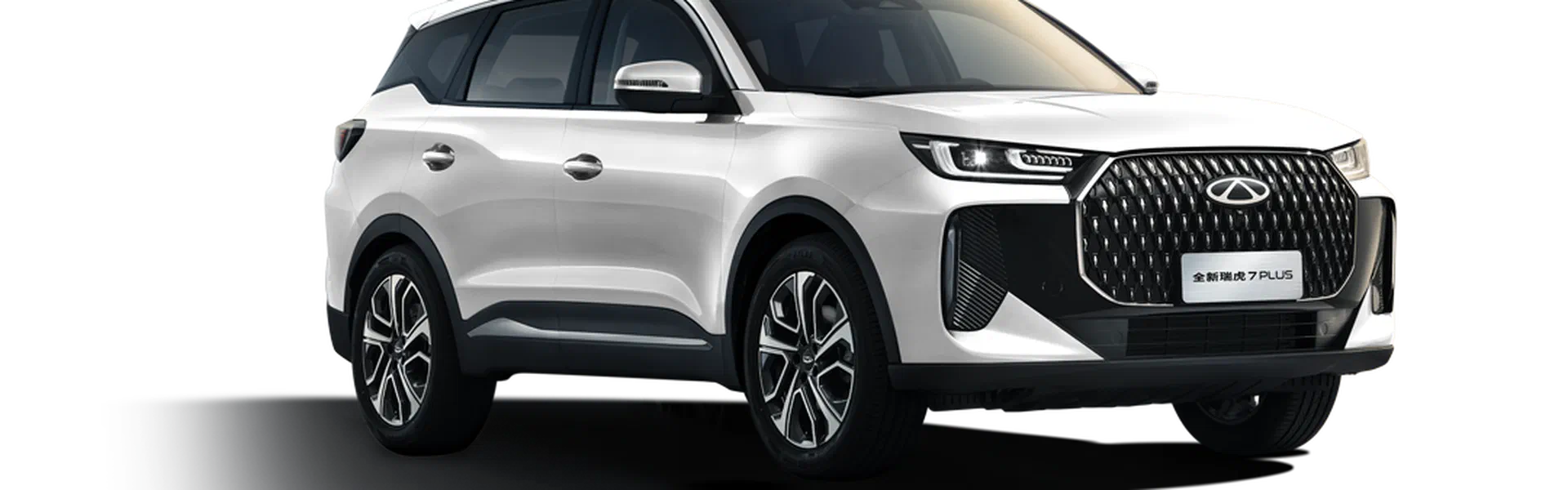
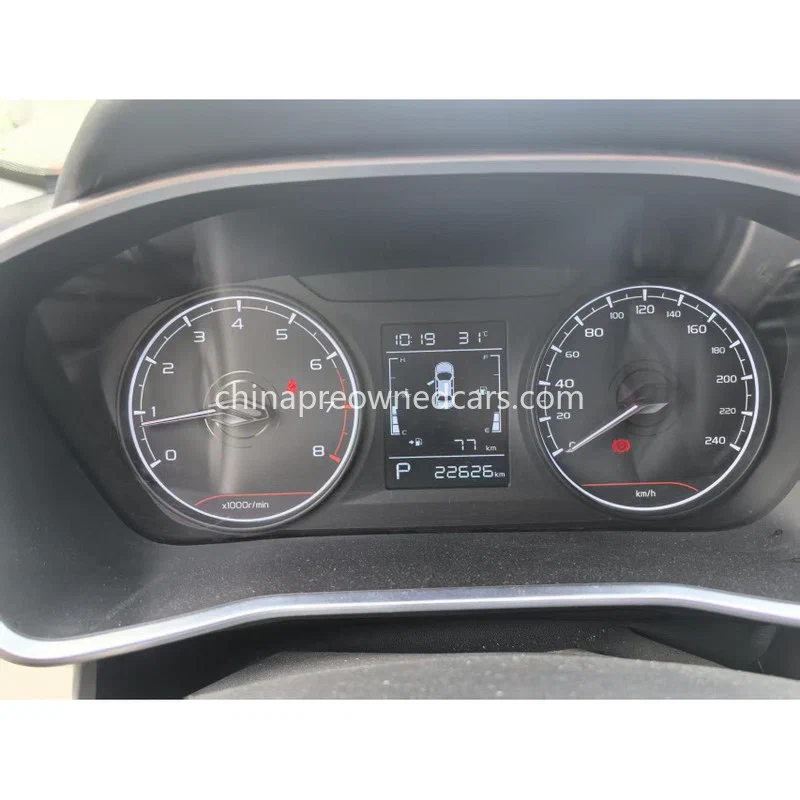
The Haval H6 has gained recognition in various markets for its blend of affordability and performance, making it a suitable option for budget-conscious buyers. In regions like Ghana, Nigeria, and Kenya, the demand for used vehicles such as the H6 aligns well with the practical requirements of local consumers. This article explores the Haval H6’s features, export considerations, and market-specific requirements that potential buyers should be aware of before making a purchase.
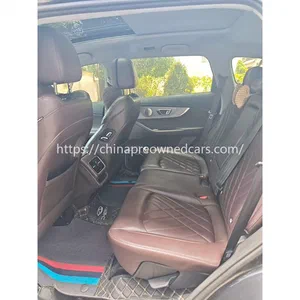
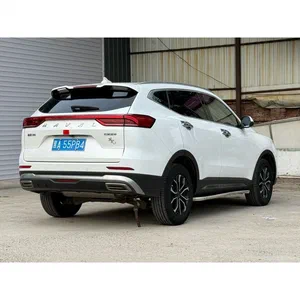
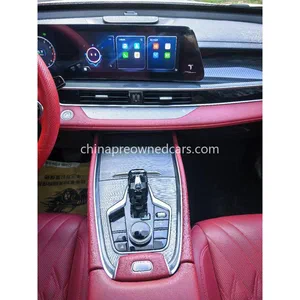
The Haval H6 features a spacious interior, advanced safety systems, and efficient fuel consumption, appealing to families and individuals alike. Buyers looking for certified pre owned cars under 25k will find the H6 to be a compelling option, considering its competitive pricing and features. The vehicle generally comes equipped with modern technology, such as infotainment systems and driver-assistance features, which enhance the driving experience. However, buyers should verify the specific condition and mileage of any pre-owned unit, as these factors can vary across the available inventory.
Exporting the Haval H6 involves several critical steps, including pre-shipment inspections and customs clearance. Inspection is vital to ensure compliance with the regulations of the destination country, as different markets have varying requirements for vehicle age, emission standards, and roadworthiness. Documents such as the Bill of Lading, export license, and customs declaration must be prepared accurately to facilitate a smooth shipping process. Vehicles are typically shipped either as RoRo (Roll-on/Roll-off) or in containers, depending on the logistics preferences and cost considerations.
In the context of the African market, particularly for countries like Nigeria and Ghana, the Haval H6’s left-hand drive configuration is an important selling point. These markets predominantly require left-hand drive vehicles, which aligns well with the H6’s design. Furthermore, local consumers often consider factors such as fuel availability and charging infrastructure, especially as electric and hybrid vehicles gain traction. Buyers should assess the infrastructure in their respective areas to ensure that they can maintain their vehicles conveniently.
Import regulations also play a crucial role in the purchasing process. While specific age limits and emission standards fluctuate, potential buyers should be prepared to verify the current rules before finalizing their purchase. For instance, some markets may impose restrictions on the maximum age of imported vehicles, while others might have specific emission compliance requirements. Understanding these nuances will help buyers avoid potential legal complications upon arrival.

Additionally, after-sales support is a vital consideration for buyers of the Haval H6. Ensuring that spare parts are readily available and that local service centers can handle maintenance is essential for long-term ownership satisfaction. Buyers should inquire about the availability of customer support and service networks in their region, as this can significantly affect the overall ownership experience.
FAQ
Q: What features should I prioritize when considering the Haval H6?
A: Buyers should focus on safety features, fuel efficiency, interior space, and modern technology options when evaluating the Haval H6.
Q: How can I verify the condition of a used Haval H6?
A: It’s advisable to conduct a pre-purchase inspection and review the vehicle’s history report to assess its condition, service records, and any past accidents.
Q: What are typical lead times for shipping vehicles to Africa?
A: Shipping lead times can vary, but they usually range from 15 to 25 days depending on the delivery method and destination.